We all know the feeling: the cache is close, but it feels like everyone is watching you. Maybe they aren’t—but the moment you start to feel suspicious, your movements become exactly that. This is a quick guide to staying stealthy while caching.

Stealth in geocaching is less about hiding and more about looking ordinary. The aim isn’t invisibility; it’s being unremarkable—just another person with somewhere to be and something simple to do. Once the “blend in” mindset clicks, you stop feeling conspicuous or awkward, and your presence around a hide becomes entirely natural.
Urban spaces are the classic test. Pavements, car parks, shopfronts, these are full of stories in motion. If you try to “sneak,” you’ll feel and look out of place, and people will notice. Instead, inhabit an everyday role: the person checking a map, using a phone camera, or doing a routine task. A small notebook, a paper map, a rubbish bag and picker, in extreme cases a fluorescent jacket and clipboard anchors the role and gives your hands something plausible to do. Be aware of your surroundings. Move decisively, walk with purpose, pause briefly, perform one focused action, then carry on. Hesitation draws eyes; confidence reads as routine.

Where you stand matters as much as what you actually do. Think sight-lines, not hiding spots. Position yourself so you can see foot traffic and vehicles arriving, in a corner by a window, the lee of a bollard, the side of a kiosk. If someone steps into your bubble, don’t fight the moment. Pause the search, let them pass, and resume with the same calm rhythm.
Often the smoothest approach is to stage the retrieve: take an initial pass to confirm the likely location, then return to actually grab the container. With magnetics or small micros, block the view with your shoulder or bag, palm the cache, and pivot back to your pretext—jotting a note, snapping a photo, folding a map.
Timing helps. Off‑peak hours reduce crowds, and ordinary drizzle is your ally—umbrellas create visual privacy, and fewer people linger outdoors. If something feels off, trust your senses. There is always another moment to return; a clean DNF is better than exposing a hide to curious eyes.
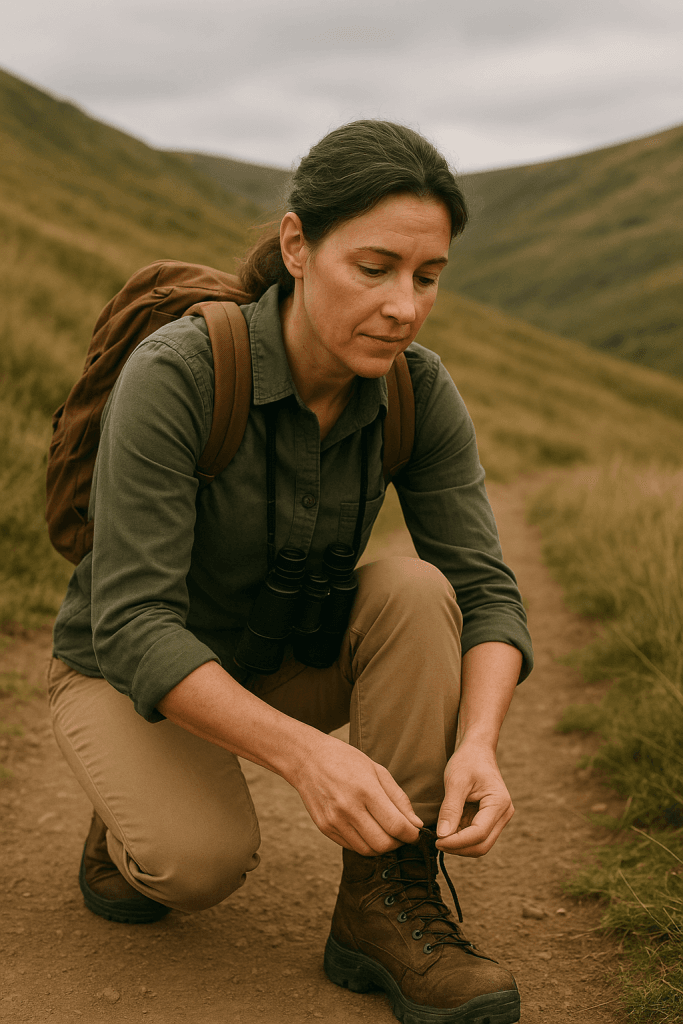
Trails and rural settings ask for a different kind of ordinary. On upland paths or along woodland and coastal routes, linger like hikers do, not like searchers. Tie a lace, check a boot tread, admire the view, examine a plant or watch a bird. Binoculars or a small camera make lingering entirely plausible. Rather than parking yourself at ground zero, work a rhythm: walk past, count a few dozen paces, turn as if noticing a ridge or shoreline detail, then return along a slightly different line. Two short pauses look natural and create fresh angles for your eyes and hands.
Respect passers‑by and the place itself. If a group approaches, step two paces off the trail and give them room. Weather and route conditions are ready conversation if you’re spoken to; that small human moment defuses tension. Guard the hide’s secrecy and the environment together: avoid beating a path to the container, vary your approach, and if someone lingers nearby, abandon the find for now. When you do make the find, resist doing everything at the spot, stroll a short distance to sign and organise, then return briefly to replace the cache. Less static time means fewer questions and better camouflage.
A few universal habits make every search calmer. Use fingertips and, if needed, a small torch rather than rummaging. Precise movements read as purposeful; digging looks suspicious. Reduce the unknowns before you arrive: read the cache description, skim recent logs, glance at imagery so your first scan has direction, if not immediately obvious, maybe check the hint. Most importantly, practise the “abort early” rule: if you feel watched, stop. Then the hide lives on to be found another day.
Street furniture deserves care. Keep hands low and movements brief around post boxes, bus shelters, railings, and signage. If staff or security engage you, be straightforward—“Just checking a route on my map, thanks”, then move on. Car parks and lay‑bys offer a natural tactic: open the boot, sort kit, retrieve discreetly, close, and depart. And don’t overlook the weather: light rain, a stiff breeze, or mist reduces crowds, muffles small noises, and puts umbrellas, hoods and hats between your actions and passing glances.

In the end, stealth is part of geocaching’s quiet craft. It protects the places and caches we love, preserves the magic of discovery, and keeps the game playful for those who come next. Walk with purpose, act with care, and let ordinary be your superpower.